

Is Stone Sealing the Smartest Way to Protect Southlake Patios & Pool Decks?
The right sealer can turn a high-maintenance patio into a surface that rinses clean in minutes. On porous flagstone, limestone, and travertine, penetrating sealers help block water and oils while letting the stone breathe. On pavers and selected natural stone, today’s polyurethane systems can add a rich “wet” look and, in some cases, stabilize joint sand—without trapping moisture when installed per spec. We match chemistry to your surface and follow manufacturer dry/cure times for a durable, even finish. NPS: water-repellent vs waterproofing · Natural Stone Institute.
What problems does stone sealing solve in Southlake?
- Stain resistance: Helps block patio grease, sunscreen, wine, and leaf tannins on porous stone (Natural Stone Institute).
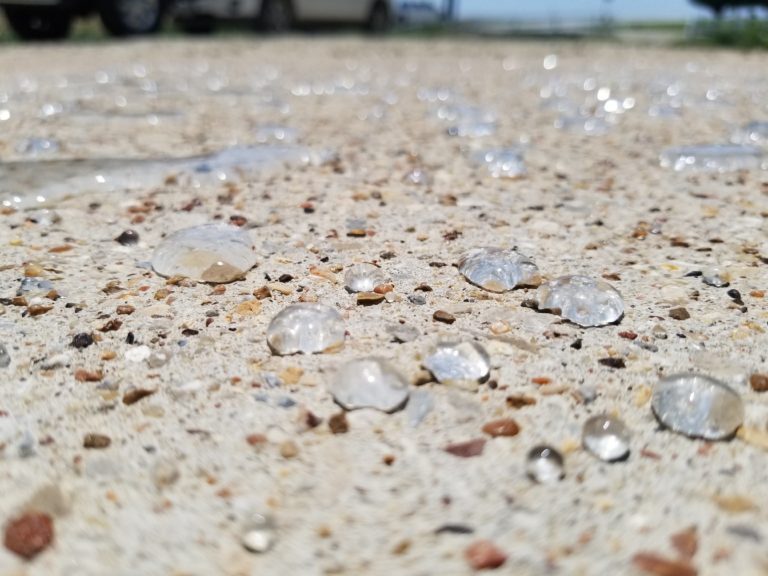
- Water management: Penetrating repellents shed liquid water but let vapor escape—key for softer masonry (NPS Brief 1).
- Joint protection: Joint-stabilizing sealers can harden polymeric sand to curb washout and weeds on paver borders (ICPI Tech Spec).
- Efflorescence timing: Prep and dry first; sealing helps by limiting water movement but doesn’t “cure” efflorescence (Cambridge Pavers advisory).
Is stone sealing safe for flagstone, limestone, travertine & pavers?
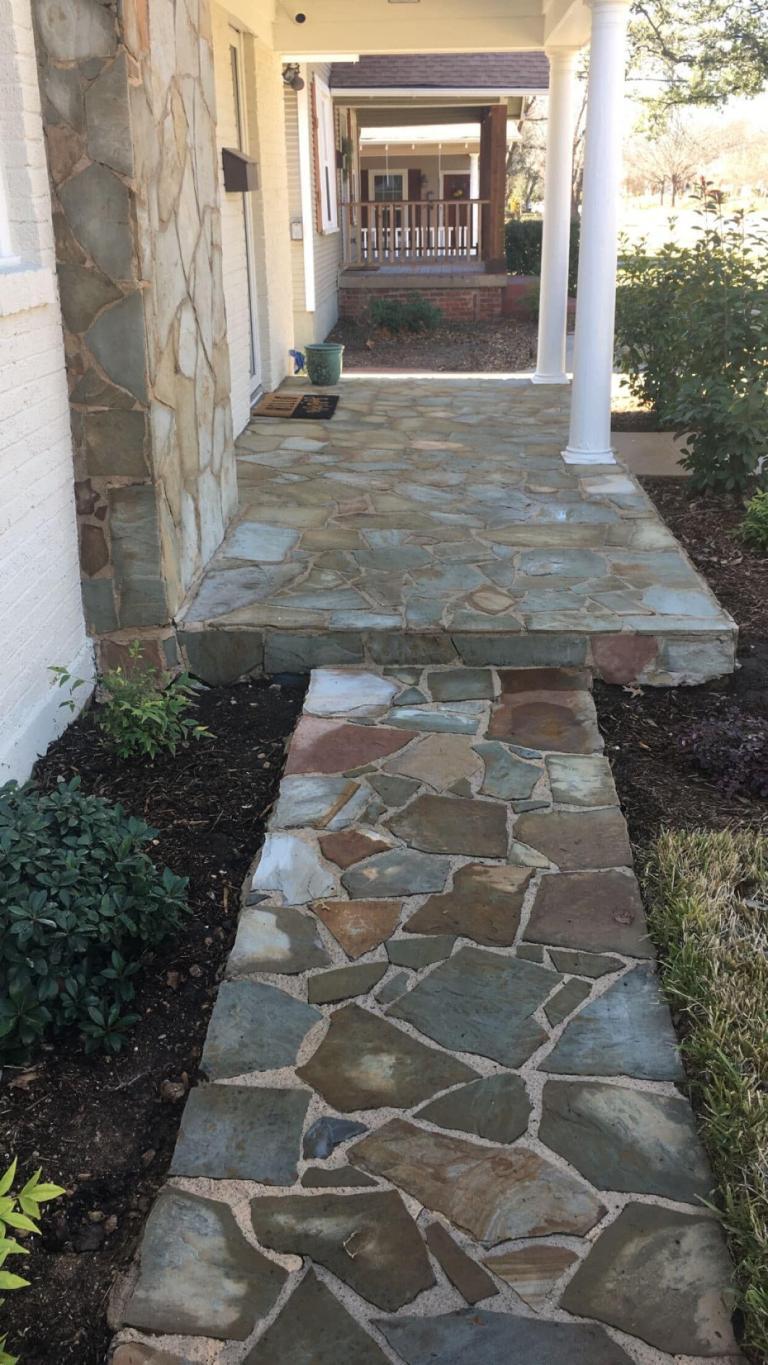
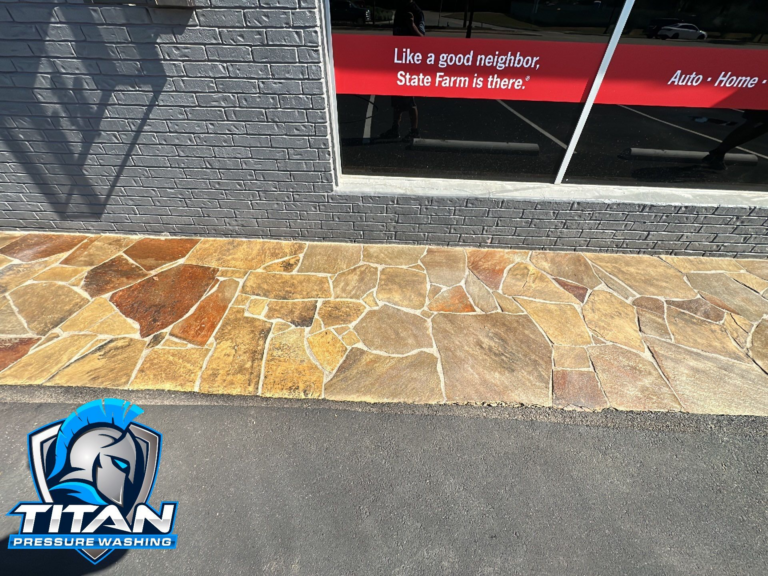
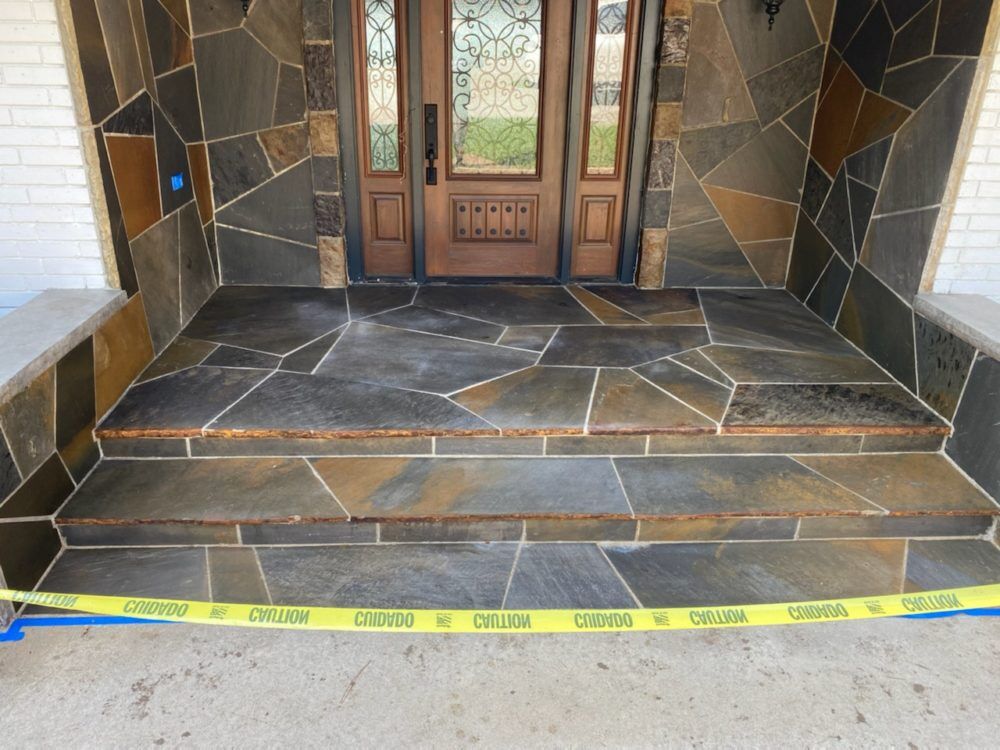
Flagstone: We offer penetrating or polyurethane here—both breathable options. Many homeowners choose polyurethane for its wet-look that makes colors pop. Our primary polyurethane, Trident Hurricane CAT 5, is a two-part aliphatic urethane that’s breathable when installed per the TDS (“will not trap naturally occurring efflorescence and/or moisture”).
Limestone: We recommend penetrating only to preserve the natural look and maximize vapor movement (Garland Seal-A-Pore WB).
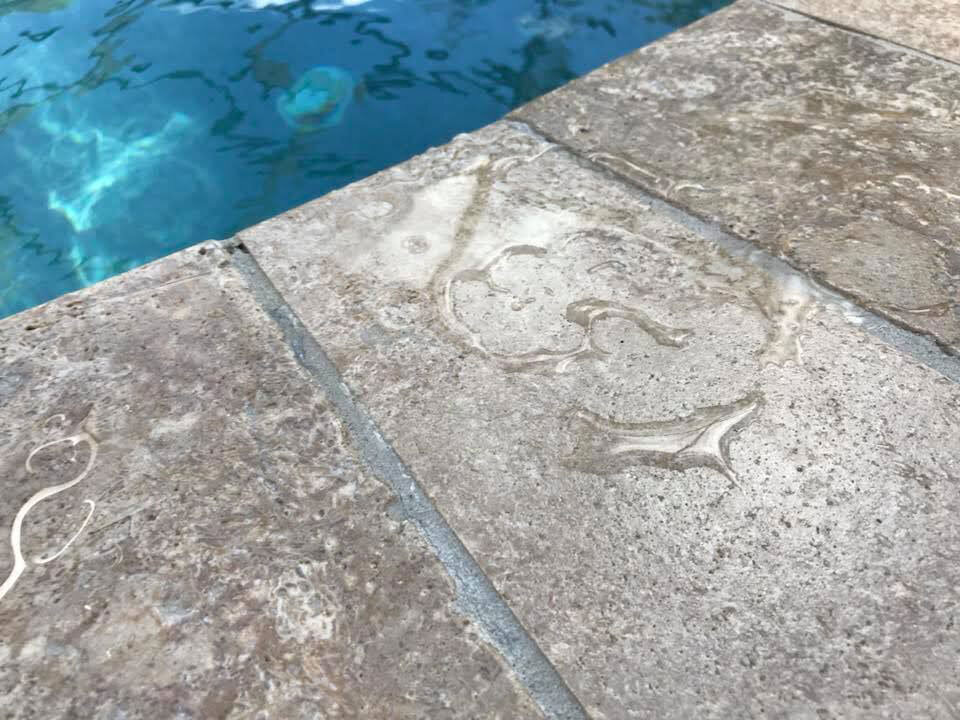
Travertine: Penetrating sealer (natural look) or a subtle enhancer, depending on traction/appearance goals (NSI care guidance).
Concrete pavers: Film-forming, joint-stabilizing systems are common where you want enhancement and sand hardening (Trident Cyclone — matte film-forming; CAT 5 — high-gloss).
Polyurethane vs penetrating sealers: what’s the difference?
Polyurethane sealers build a protective coat that deepens color (wet-look to gloss). With products like Trident CAT 5, you get enhancement, optional joint-sand stabilization, and breathable performance when applied per dilution and coverage—so you can have pop without trapping moisture (CAT 5 TDS).

Penetrating sealers soak into the stone or masonry, helping resist water and oil without changing the natural look or trapping moisture—ideal for flagstone, limestone, and travertine. See Garland Seal-A-Pore WB and Seal-A-Pore HP.
How much does stone sealing cost in Southlake in 2025?
Pricing reflects stone porosity, stain/efflo prep, layout (coping, steps), and chemistry. We maintain clear minimums and quote by measured area.
| Scope | Typical Price | Notes |
|---|---|---|
| Small patio or entry (to ~250 sq ft) | $475–$775 | Clean, dry, seal; meets brand minimums. |
| Flagstone / limestone patio | $1.75–$3.25 / sq ft | Penetrating sealer; heavy stain/efflo prep at top end (NPS). |
| Travertine pool deck & coping | $2.25–$3.75 / sq ft | Masking and traction checks by wet areas (NSI care guidance). |
| Concrete pavers with joint stabilization | $2.50–$4.25 / sq ft | Film-forming with sand hardening (Trident Cyclone TDS). |
| Prep adders (rust/tannin spots, efflo wash) | $0.50–$1.50 / sq ft | Based on severity and access (efflorescence basics). |
| Large estates / specialty masonry | Custom quote | On-site testing and phasing recommended. |
*Prices shown are ballpark averages for typical Southlake projects. Every property is unique—stone type, porosity, prep needs, access, and desired finish affect the final price. We’ll measure your surfaces and provide a custom, written quote specific to your home and goals.
Get a FREE Stone Sealing estimate today to protect your property!
Stone sealing vs pressure washing: which should I pick?
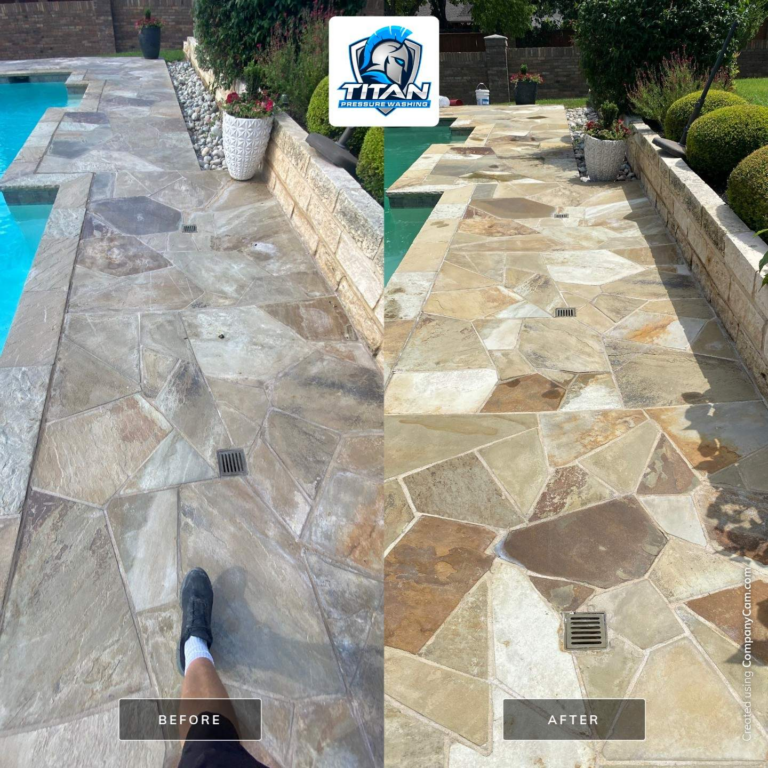
They work together. Gentle, stone-safe cleaning removes contaminants so the sealer can perform; sealing then slows new staining and makes rinses quicker. Repeated aggressive pressure alone can erode soft stone—sealing reduces the need for harsh cycles (NPS Brief 1).
What does a professional stone sealing process look like?
- Inspect & test: Identify stone and prior coatings; small test for appearance and traction (STONETECH TDS).
- Pre-clean: Remove soil/organic growth; treat rust/tannin as needed; rinse thoroughly (NSI care guidance).
- Dry-time: Allow full dry-out; address efflorescence before sealing (efflorescence advisory).
- Mask & protect: Shield glass, metal, waterlines, and landscaping.
- Apply sealer: Even application by sprayer/pad/roller; follow coverage and cure windows (Trident Cyclone · Trident Tsunami).
- QA & cure: Verify repellency and look; observe cure before traffic.
Recommended Materials & Methods
| Material | Preferred Sealer | Notes |
|---|---|---|
| Flagstone / Limestone | Penetrating, vapor-permeable sealer | Avoid non-breathable “waterproofers” on soft masonry (NPS). |
| Travertine | Penetrating (natural look) or subtle enhancer | Mask pool waterlines; confirm traction after sealing (NSI). |
| Concrete Pavers | Film-forming, joint-stabilizing sealer (matte→gloss) | Stabilize sand and follow TDS for cure (Trident Cyclone · Trident Tsunami). |
| Parking deck/drive applications | Penetrating water-repellent | Wet-on-wet coats; max repellency ~72 hrs (Garland Protector SS). |
Frequently Asked Questions:
Do all stones need sealing?
Not always. Denser stones resist stains better, but most exterior flagstone & limestone areas will benefit from a breathable sealer, whether penetrating or polyurethane. Always patch-test (NSI).
Will sealing make it slippery?
Penetrating sealers keep the original texture; film-formers can be slick if over-applied—pros use the right finish and add anti-slip where needed (Trident guide).
How long does it last?
Expect about 3–5 years for polyurethane sealers on busy patios; penetrating sealers can run longer with proper maintenance and periodic refresh (STONETECH TDS).
Can you seal right after installation?
Let mortar beds dry and treat efflorescence first; then seal per TDS (efflorescence basics).
What brands do you use?
We source professional systems from Trident and The Garland Company, then match chemistry to your surface and goals.
References
- National Park Service — Preservation Brief 1
- Natural Stone Institute — Sealing Natural Stone · Care Guidance
- ICPI — Cleaning & Sealing Interlocking Concrete Pavement
- Trident — Tsunami · Cyclone · Tsunami TDS · Cyclone TDS
- Garland — Seal-A-Pore WB · Seal-A-Pore WB TDS · Seal-A-Pore HP TDS · Protector SS
- Cambridge Pavers — Efflorescence Advisory
Ready for a custom estimate for your Southlake property?
Restore curb appeal without risking damage. Pair house washing with stone & concrete sealing for longer-lasting results.